
The Short Answer
The single biggest safety gap in most Henryville garages is a photo-eye sensor that no longer works because of winter grime, combined with nobody testing the door's auto-reverse feature. Fix those two things, keep remotes out of small hands, and you've eliminated the majority of real risk. The rest of this piece explains why that matters and what else to check.
What Actually Goes Wrong
Garage doors are the heaviest moving object in most homes, and the failure points are predictable:
- Photo-eye sensors get blocked or knocked out of alignment. These are the two small sensors near the floor on either side of the track. In Clark County winters, road salt tracked in on tires, splashed slush, and ice buildup coat the lenses or shift the brackets just enough that the beam no longer lines up. When that happens, the door won't reliably detect a child, pet, or toy in its path.
- The auto-reverse mechanism itself fails or gets disabled. Some homeowners unknowingly adjust the force settings too aggressively trying to stop a door from reversing on leaves or debris, which also makes it less sensitive to a small body.
- Pinch points between panel sections. Older doors especially don't have pinch-resistant panel design, and small fingers find the gap between sections as the door closes.
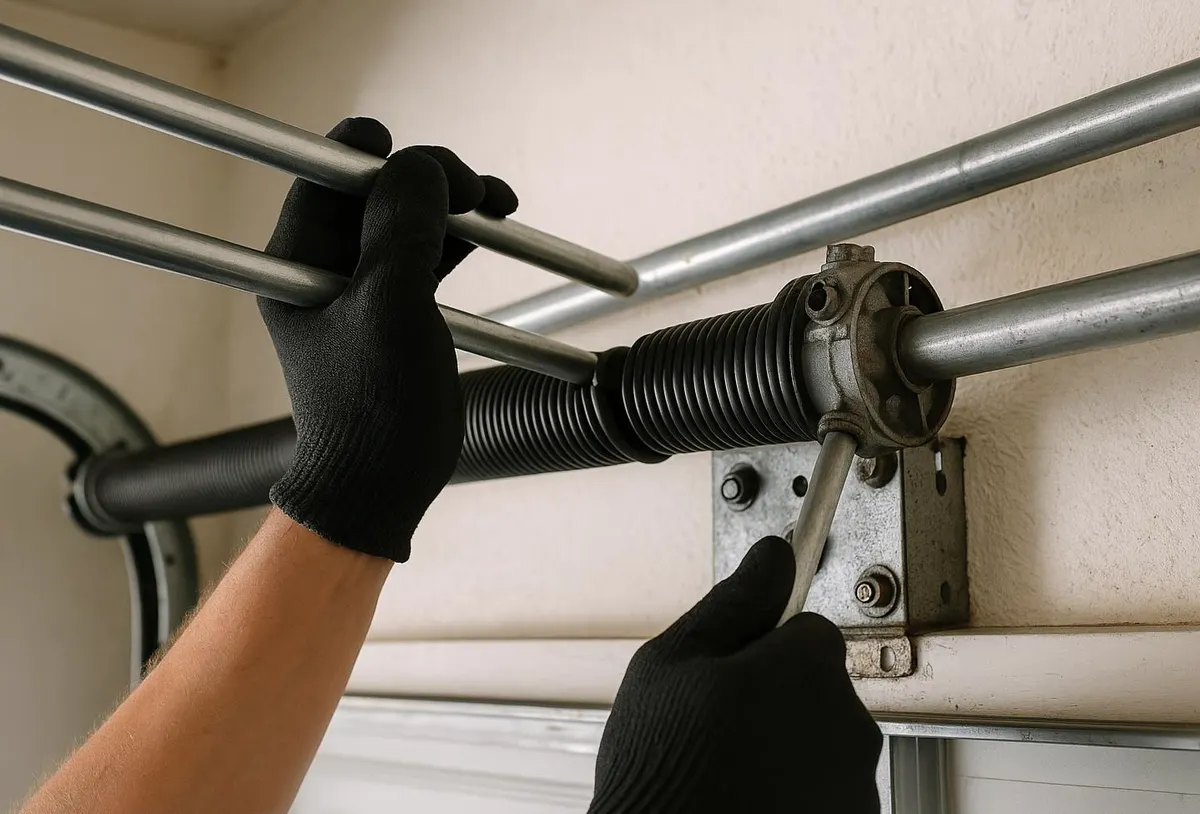
- Springs under extreme tension. A worn spring can snap without warning, and the door or spring parts can drop or fling with enough force to cause serious injury to anyone standing nearby.
- Easy access to openers and remotes. Wall-mounted buttons placed low enough for a toddler to reach, or a remote left in reach in the car or house, turn the door into something a child can operate without understanding what's underneath it.
How Badly This Can Go Wrong
This isn't theoretical risk. Garage doors that fail to reverse have caused crush injuries to hands and feet, and in the worst documented cases, fatal entrapment of small children and pets who were out of the driver's sightline. Pets are especially vulnerable because the photo-eye beam is set at a height meant to catch a toddler or an object, not necessarily a small dog or cat low to the ground. A door closing on a pet's tail or leg is common enough that vets see it regularly. Springs, when they let go, have sent people to the ER with lacerations and broken bones from flying hardware or a suddenly dropping door.
Specific Actions That Prevent It
Test the auto-reverse monthly
Place a roll of paper towels or a 2x4 flat on the ground where the door closes. Run the door down. It should reverse the instant it touches the object. If it doesn't reverse, or it crushes partway before stopping, stop using the door until it's repaired.
Clean and check the photo eyes before winter fully sets in
Wipe both sensor lenses with a soft cloth, especially after salty, slushy weeks. Check that the small indicator lights on each sensor are solid, not blinking, which signals misalignment. If the bracket has been bumped by a car, bike, or shovel, it needs to be re-aligned, not just wiped off.
Keep remotes and codes out of reach
Store garage remotes up high or in a drawer, not clipped to a visor a toddler can reach from a car seat. Set keypad codes that aren't the same as an easily guessed birthday, and reposition wall buttons at adult height, around five feet up, if yours is currently low enough for a child to reach.
Treat the garage door opening as a no-play zone
No running underneath a closing door, no using the door track as a basketball hoop support or play structure, and no letting pets linger in the doorway while the door is in motion. This sounds obvious until the fifth time it happens on a busy afternoon.
Have springs and cables inspected annually
Springs weaken gradually, especially with the seasonal temperature swings common here, where a garage can go from humid summer heat to well below freezing in winter. A spring nearing the end of its life often shows visible gaps between coils or rust pitting before it actually breaks. Don't wait for the bang.
Check weatherstripping and sensor brackets after storms
Spring storm season and the occasional tornado watch in this part of Indiana can shift door alignment or damage brackets. After any significant wind event, give the sensors and tracks a visual check before assuming everything still works as it should.
When to Call Henryville Garage Door
If your auto-reverse test fails, if a sensor light won't stay solid no matter how much you clean it, or if you notice gaps, rust, or stretching in a spring, stop troubleshooting and call us. Our Garage Door Maintenance visits include a full safety check of the sensors, auto-reverse force settings, and hardware, and our Spring Replacement service handles the one component in your garage most likely to cause a serious injury if it's ignored. We show up on time, explain exactly what we find, and fix it right the first time.
If you're in Henryville, Scottsburg, Sellersburg, Charlestown, Jeffersonville, New Washington, Borden, or anywhere else in Clark County and you're not confident your garage door would stop for your kid or your dog, call Henryville Garage Door today and let's make sure it will.